Finished, clean look
A seamless floor brightens the whole garage and makes it feel like part of the house instead of a storage pit.

Peoria garages take a beating: 115°F summer afternoons, hot tires rolling in off the 101 and 303, dust blowing under the door and oil drips that soak straight into bare concrete. A professionally installed garage floor coating seals the slab under a tough, easy-clean surface that looks finished and stays that way.
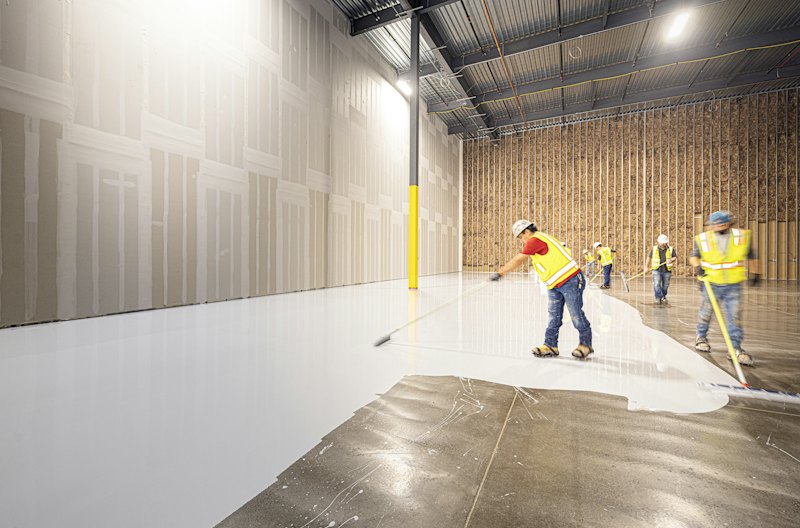
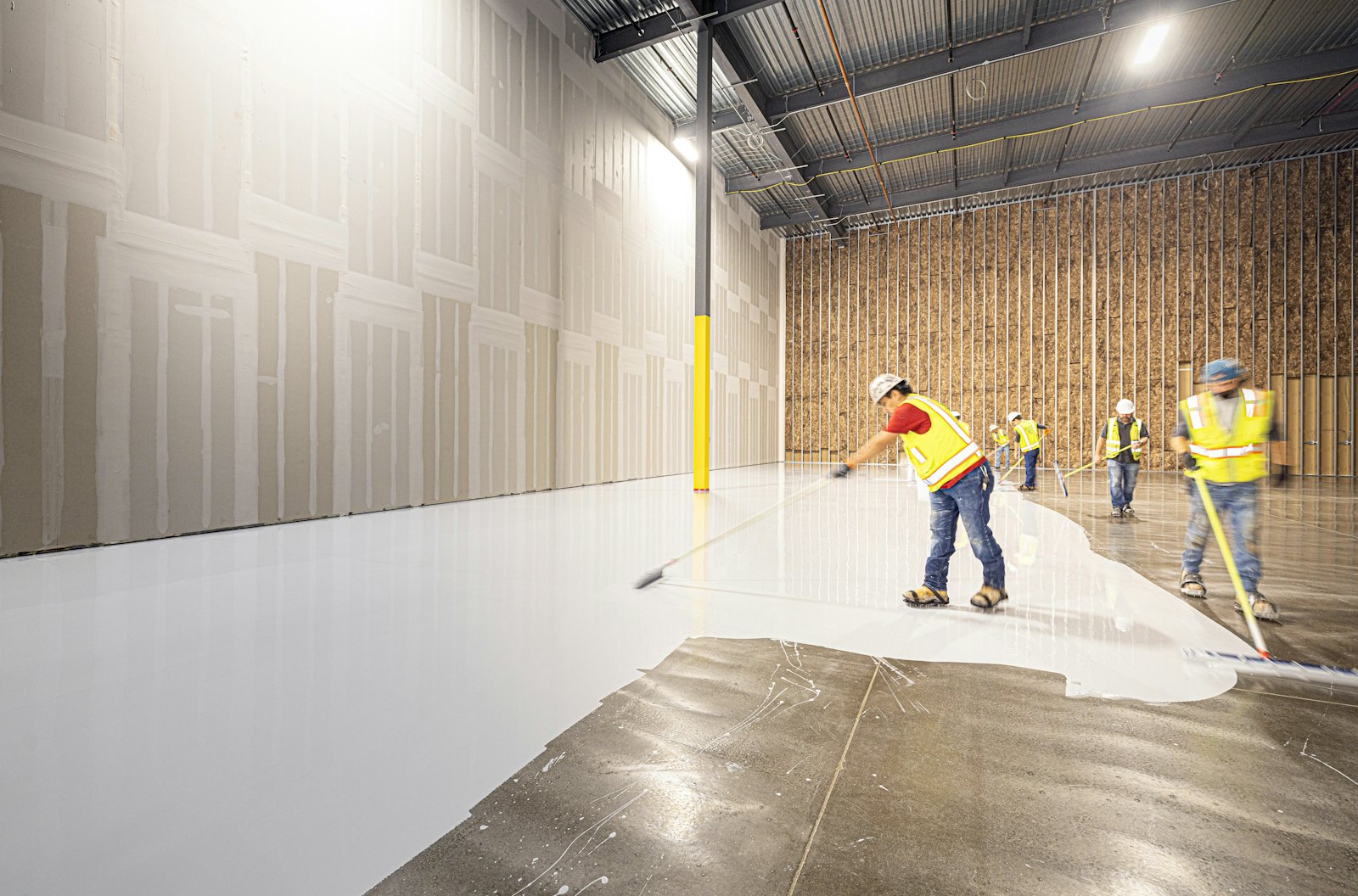
A garage floor coating is a multi-layer system, not a single coat of paint. It usually starts with a penetrating primer or base coat that bonds into the ground concrete, followed by a build or color layer (often with decorative flakes broadcast into it), then a clear protective topcoat.
The right chemistry depends on how the garage is used. Epoxy builds thickness and hardness, while polyaspartic and polyurea topcoats add UV stability and faster return-to-service. We recommend a system after looking at your slab's condition, moisture, and how much direct sun reaches the floor when the door is open.
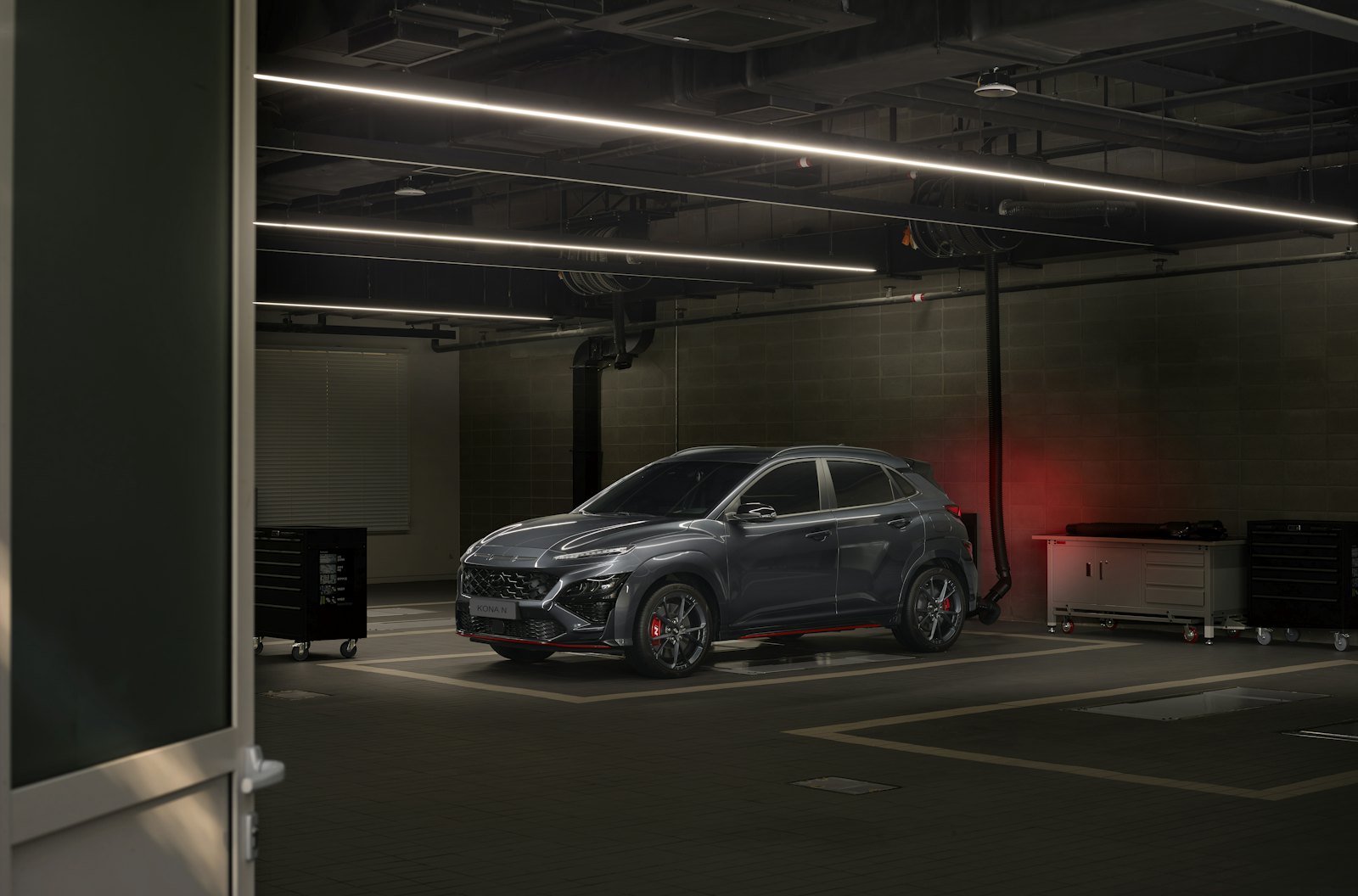
A seamless floor brightens the whole garage and makes it feel like part of the house instead of a storage pit.
Motor oil, antifreeze, brake fluid and pool chemicals wipe up instead of staining the concrete.
A properly bonded, hot-tire-rated system resists the peeling that cheap DIY kits suffer in Arizona summers.
Sealed concrete stops shedding dust, and a quick sweep or mop keeps it looking new.
We check for moisture, old coatings, cracks and oil saturation, then confirm the system and colors.
The slab is mechanically ground with dust extraction to open the pores so the coating can bond.
Cracks, spalls and pitting are filled and ground flush so they don't telegraph through.
Base coat goes down; flakes are broadcast if selected, then scraped and vacuumed.
A clear protective topcoat seals the floor. We give you walk-on and park-on times.
Garage slabs in Peoria can top 130°F in July when the door faces west, which shortens working time for coatings and stresses weak bonds. We schedule installs for cooler morning hours in summer, use products rated for hot-tire pickup, and recommend UV-stable topcoats for garages that sit open to the afternoon sun.
Almost every peeling garage floor traces back to preparation. Acid etching and roll-on kits leave a weak surface that hot tires pull right up. Diamond grinding, crack repair and correct film thickness are what make a garage coating last for years instead of months.
We'll look at your slab, explain the options honestly and give you a written quote with no pressure. Call (602) 419-4190 or request a callback.
With proper prep and normal residential use, a quality coating typically lasts 10 to 20 years. The topcoat may show wear in high-traffic lanes over time and can be recoated.
Usually not. Old paint or failing coatings are ground off so the new system bonds to sound concrete, not to a layer that may already be letting go.
Hot-tire pickup happens when coatings are thin or poorly bonded. A ground, properly primed slab with a rated topcoat resists it.
Light foot traffic is usually fine within 24 hours. Most systems need a few days before vehicles; fast-cure polyaspartic systems can be quicker.
Flake floors have more texture than a plain gloss coat, and we can add anti-slip media to the topcoat for extra grip.
Some epoxies amber with UV exposure. Using a UV-stable polyaspartic or polyurea topcoat helps prevent yellowing in sunny garages.
Floors, textures and spaces like yours. Tap any photo to see it larger.
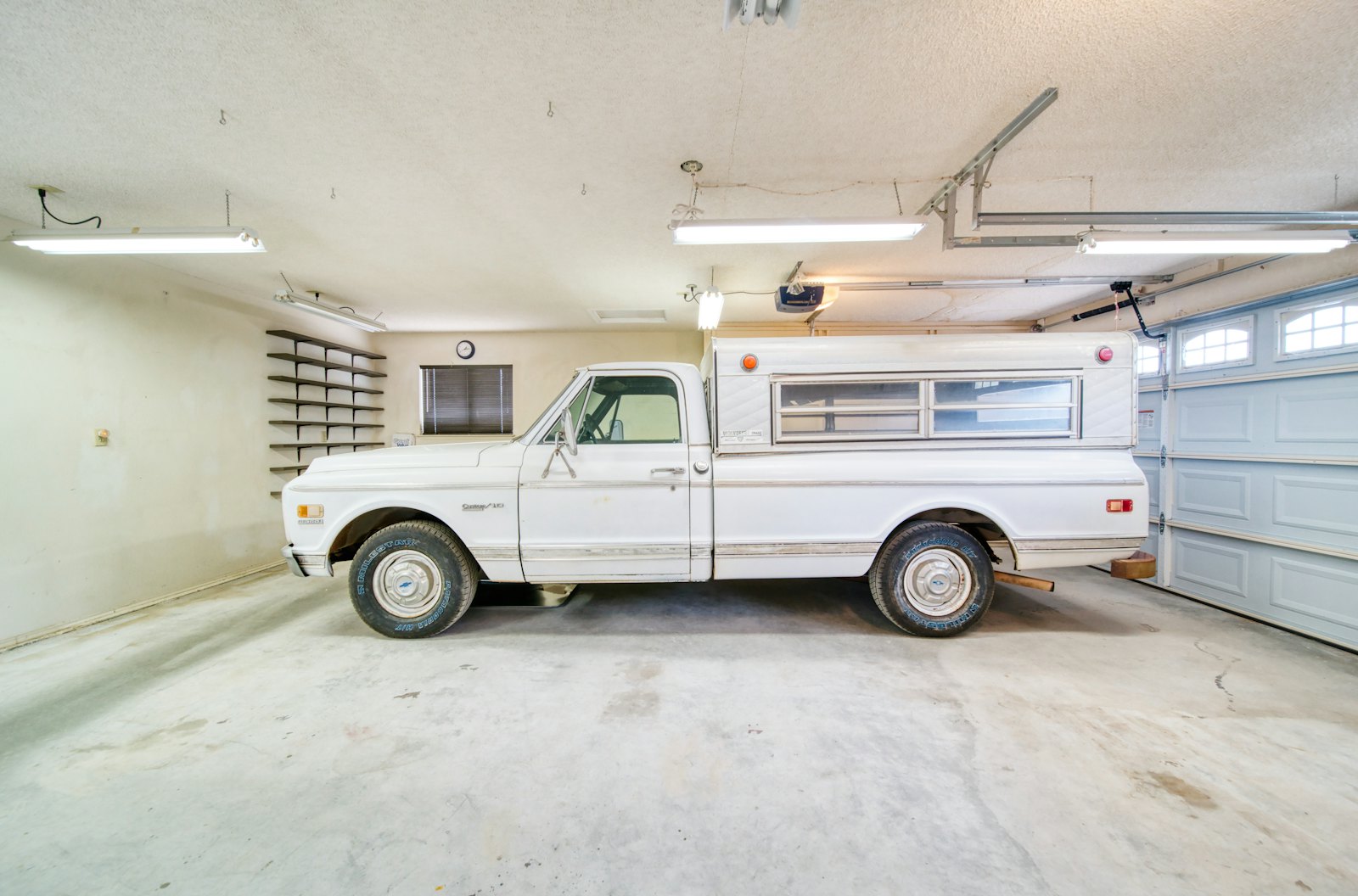
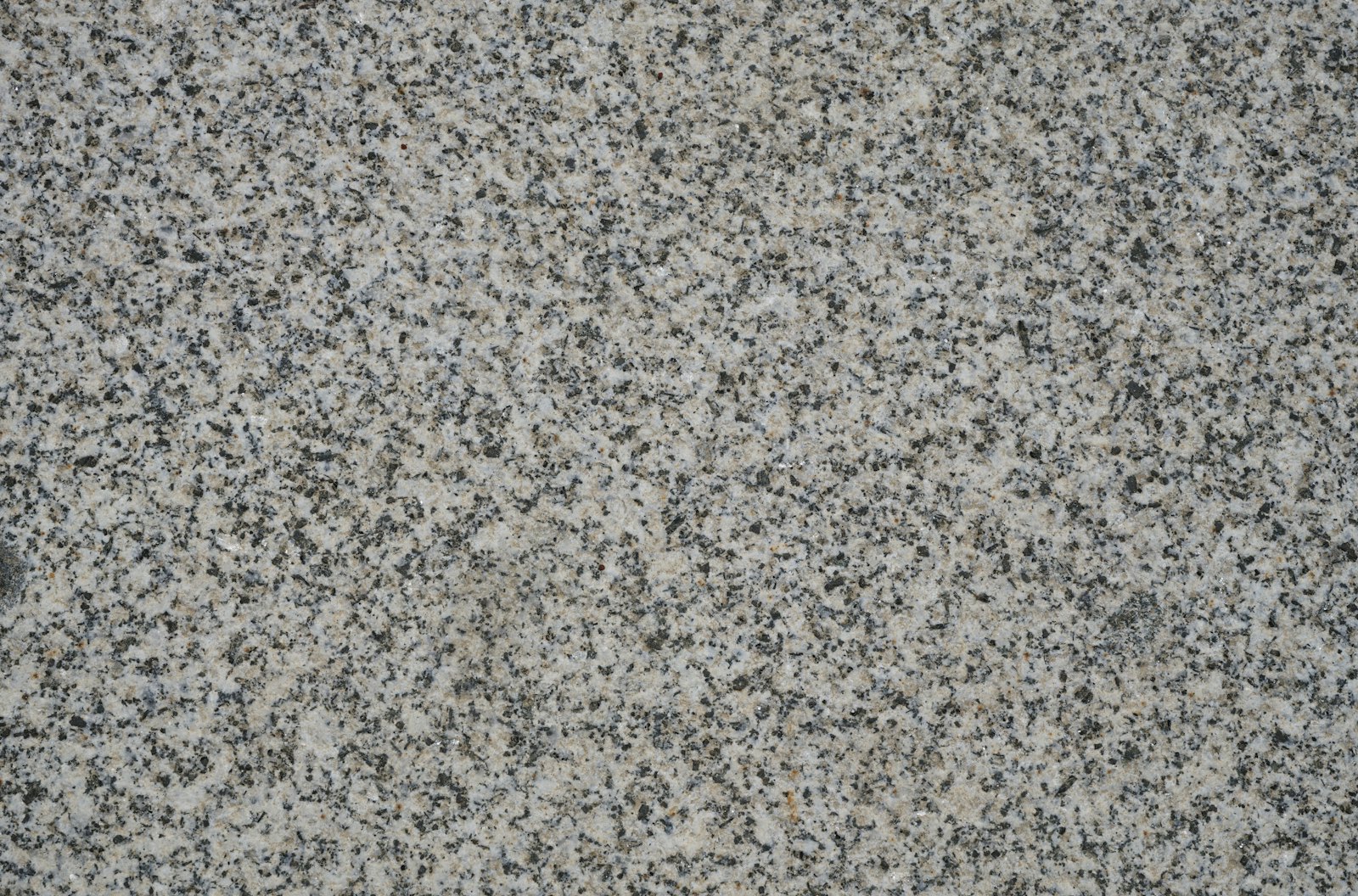
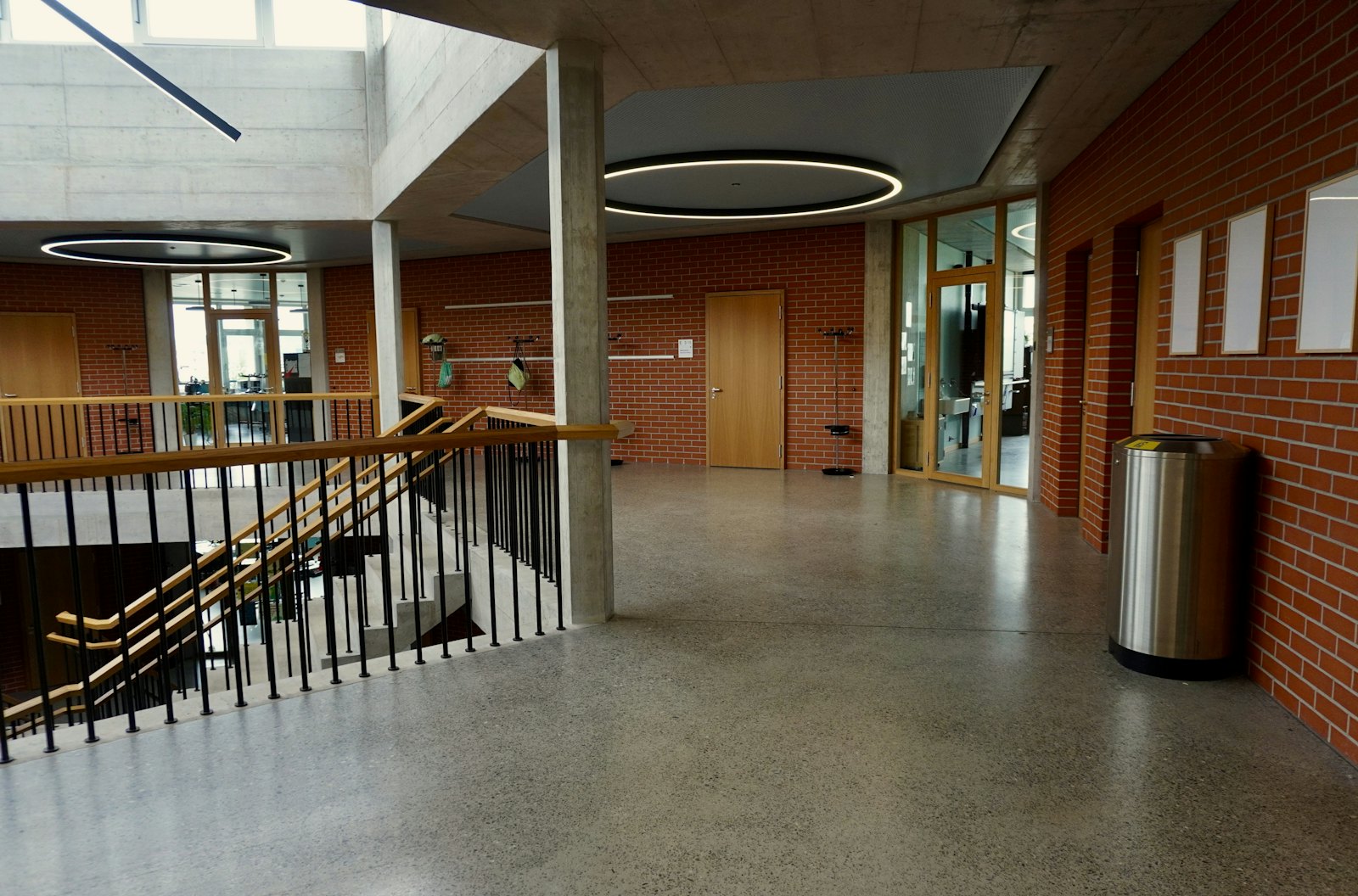
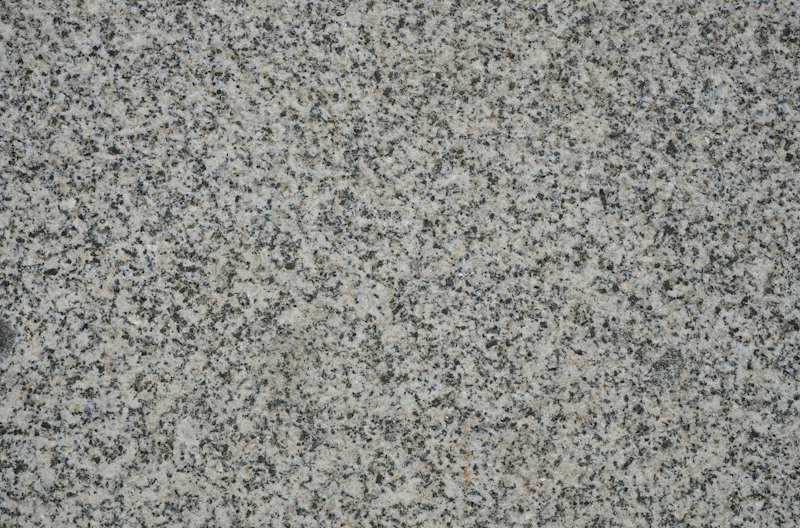
Multi-color vinyl flakes locked into epoxy for a textured, terrazzo-style finish that hides dust and wear.
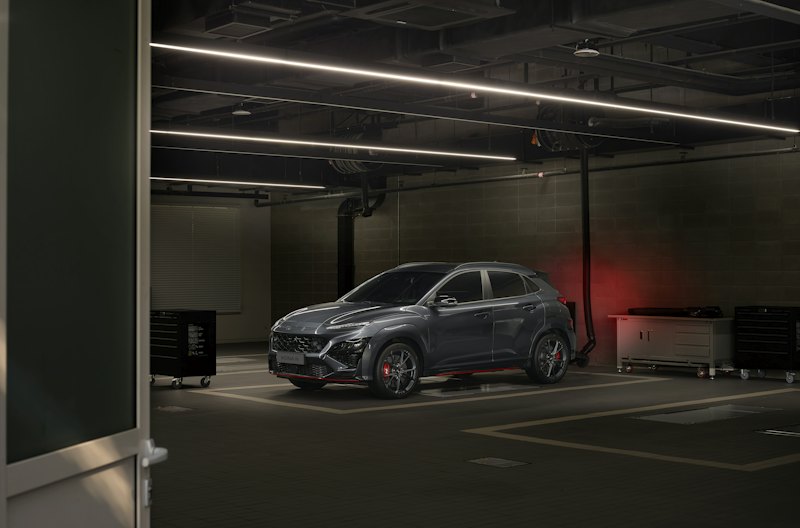
Fast-curing, UV-stable coatings that resist yellowing in the Arizona sun and get your floor back in use quickly.
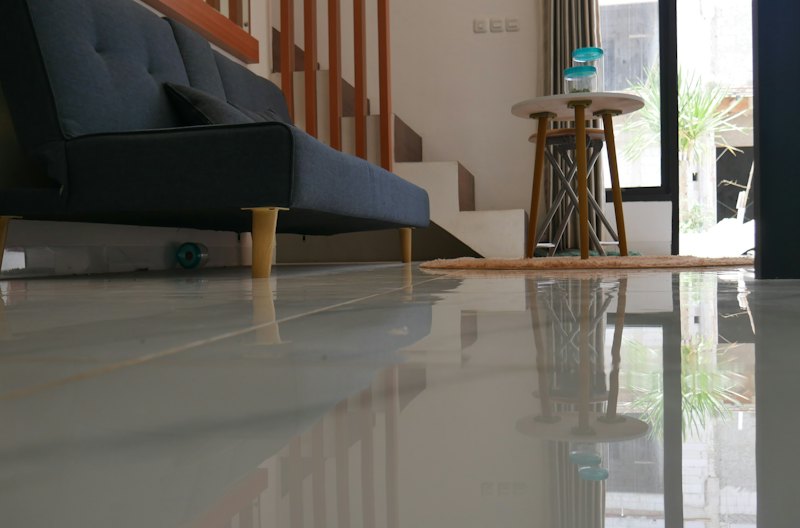
Seamless coatings for basements, home gyms, kitchens, laundry rooms and hobby spaces across Peoria homes.
Send a few details and we'll call to set up a free on-site visit. We measure, check the slab for moisture and cracks, show you color samples and leave a written quote.